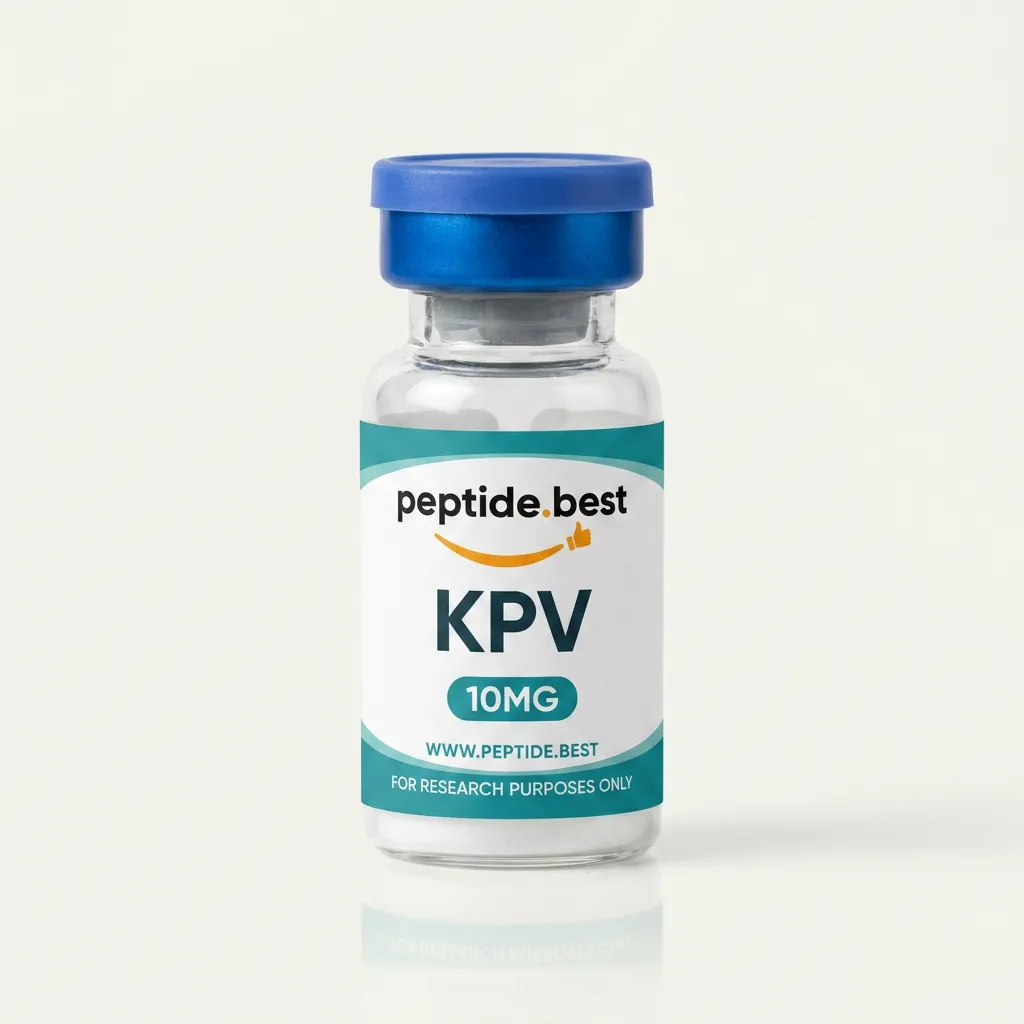
KPV (Lysine-Proline-Valine) is the C-terminal tripeptide fragment of α-MSH (alpha-melanocyte stimulating hormone). Despite being just three amino acids long, KPV retains the anti-inflammatory action of the parent molecule via NF-κB suppression — making it one of the most cost-effective anti-inflammatory peptides in recovery and immune research.
Most-studied applications: ulcerative colitis and IBD recovery, atopic dermatitis (skin inflammation), wound healing, and adjunctive immune modulation. Frequently stacked with BPC-157 for compound gut-repair protocols and with LL-37 for antimicrobial + anti-inflammatory research. Pairs naturally with Thymosin Alpha-1 for systemic immune stacks.
C-terminal tripeptide fragment of α-MSH (alpha-melanocyte stimulating hormone); anti-inflammatory action via NF-κB suppression in gut, skin, and joints. Read our complete research hub for the full literature review, or jump to our best peptides for recovery article for comparator molecules.
KPV is unique in the peptide world — its small size means it survives oral administration to a meaningful degree, making both injectable and oral capsule research valid. Apex Research's batch KPV-2604-C tested 98.9% pure by HPLC.
Every KPV listing on Peptide.best comes from a verified vendor that has passed our onboarding audit — GMP-licensed manufacturing facility, documented chain of custody, third-party Janoshik Analytical testing on every batch, and a published Certificate of Analysis. Apex Research (the seller on this listing) currently maintains a 4.9-star average across all their products. Compare the five live offers on the right side of this page — Peptide.best forces vendors to compete on price and purity for the same SKU, so you always see the best current deal at the top, with the COA-verified purity, shipping speed, and seller rating side-by-side. Looking for alternatives in the same recovery space? BPC-157 and the other peptides listed under our Recovery category are the most commonly compared alternatives.
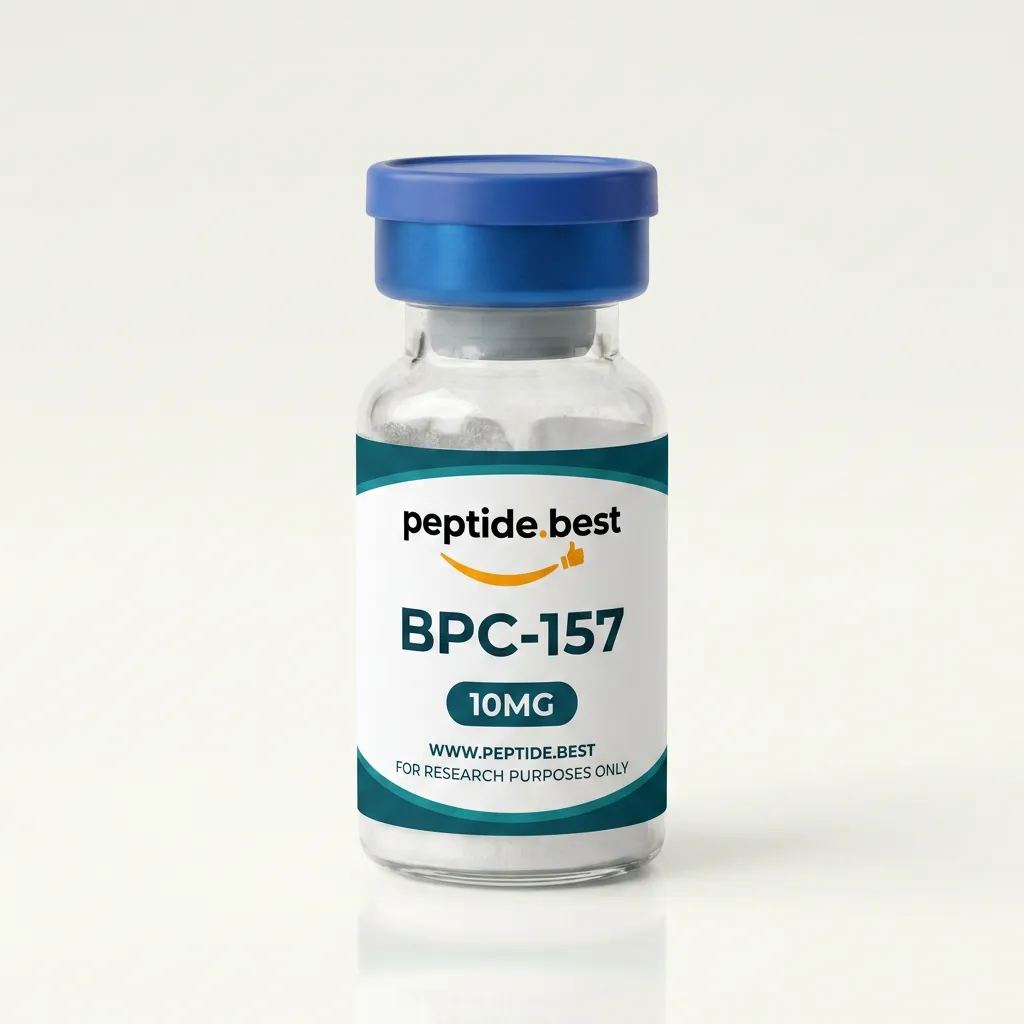
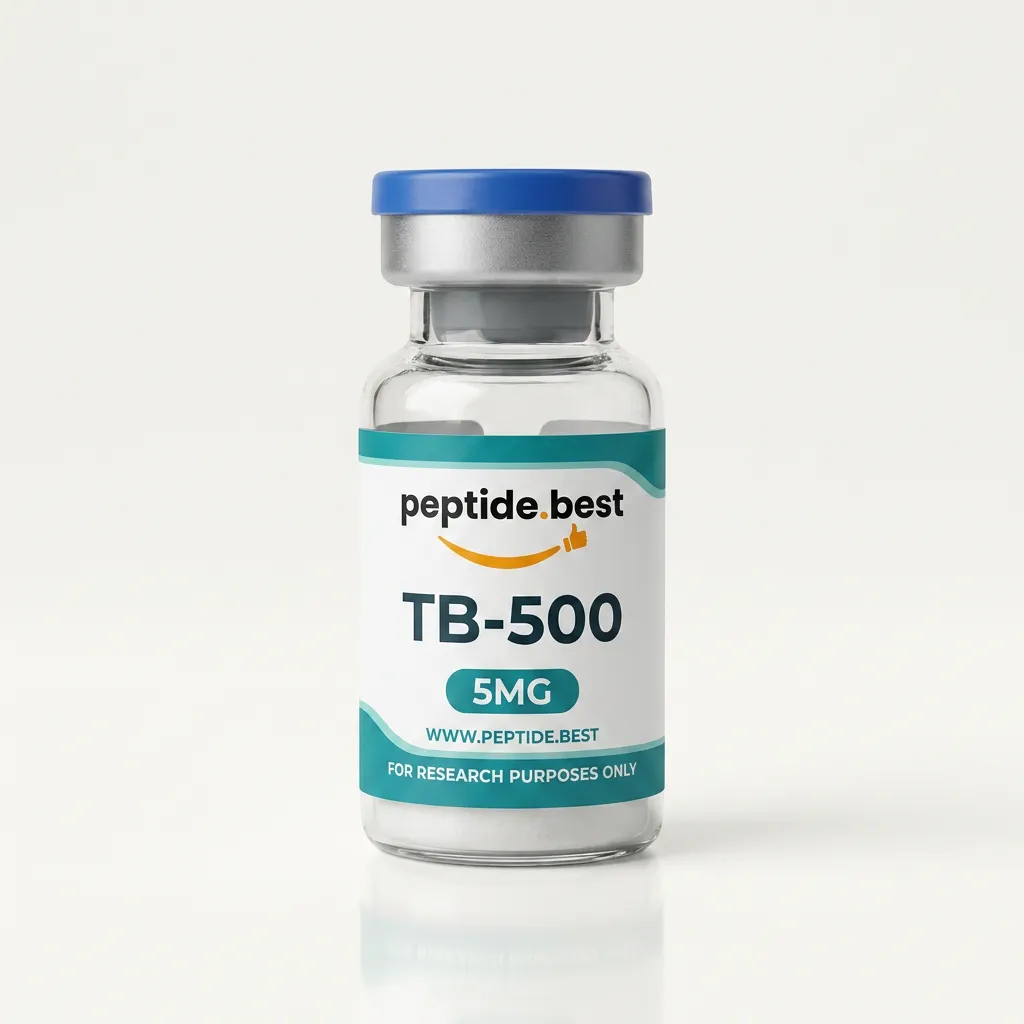
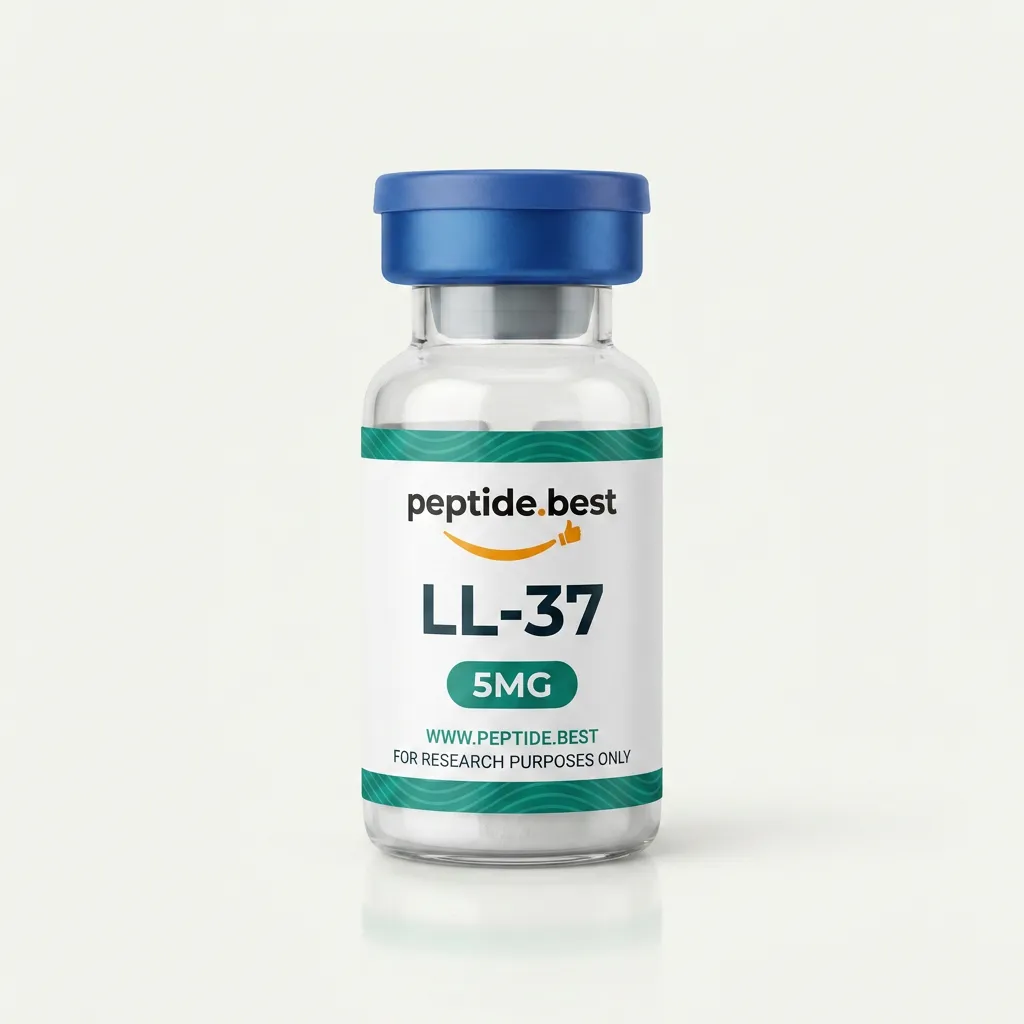
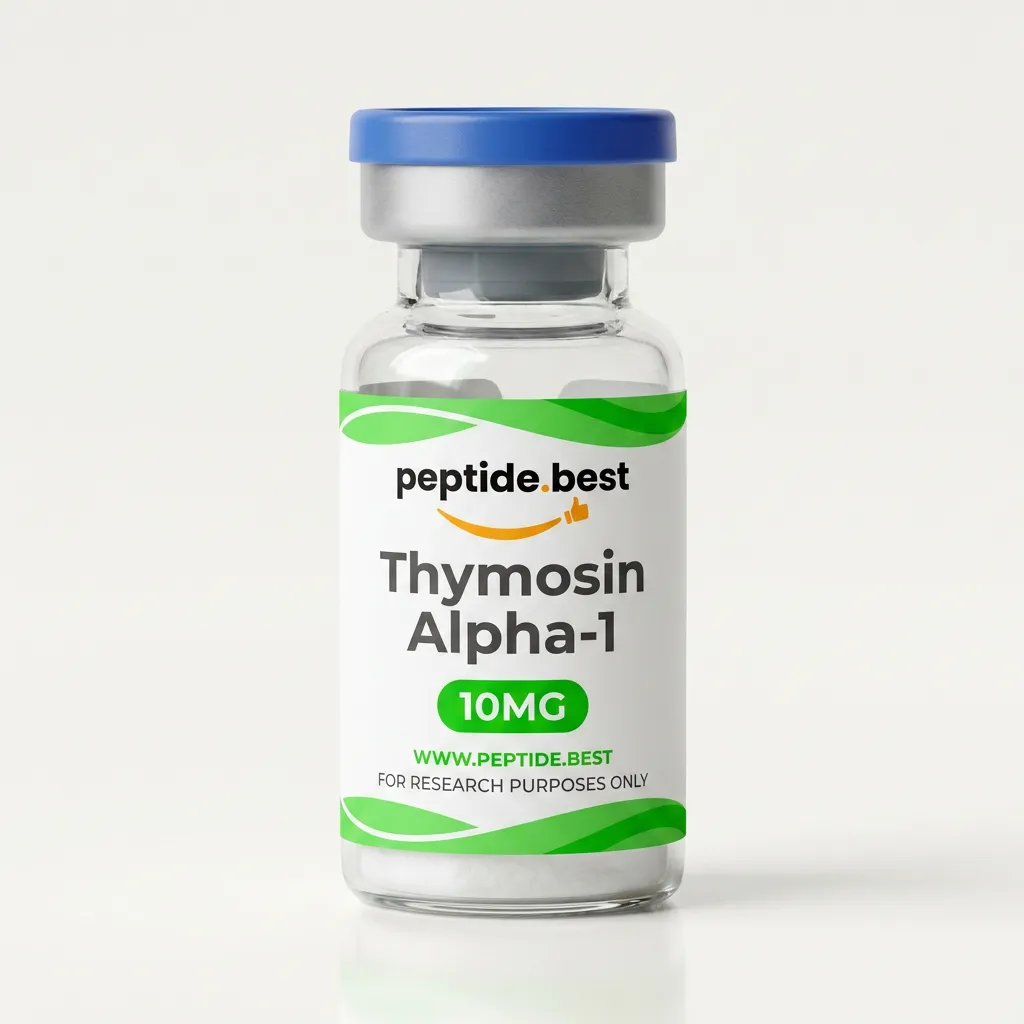
BPC-157 · TB-500 · LL-37 · Thymosin Alpha-1. See the peptide stacks page for full protocol writeups.
KPV has not been evaluated by the FDA for any indication. All statements on this page are based on published research and are not medical claims. Some products may be sold for research purposes only as marked. Consult a licensed healthcare provider before use. See our full disclaimer.
KPV has been the subject of growing peer-reviewed and preclinical research across the recovery domain. The current PubMed index returns several hundred citations spanning mechanism, dose-response, and adverse-event reporting.
Key references commonly cited in KPV research:
For a full reference list, see the Peptide.best Research Hub or the dedicated Recovery pillar article.
Subcutaneous: 200–500 mcg, 1–2x daily. Oral capsule: 500 mcg, 2x daily for GI research. Topical: 0.01–0.1% in carrier base for skin research. Typical cycle: 4–8 weeks.
This product ships as lyophilized powder. Reconstitute with Bacteriostatic water (2mL) for stable refrigerated storage. Once reconstituted, use within 30 days; keep at 2–8°C.
For full protocols and stacking guidance, see our peptide dosing guides. Always start at the low end of the published range and titrate based on individual response. Half-life (~2 hours systemic) determines dosing frequency.
Exceptionally clean profile — no significant adverse events reported in published work. Occasional mild GI upset with oral administration.
Do not use during pregnancy or lactation. Do not combine with other peptides without reviewing pharmacology. Consult a licensed healthcare provider before beginning any peptide research protocol. Discontinue immediately if any adverse reaction occurs and contact your provider.
Limited interaction data exists for most research peptides. Be especially cautious when combining with prescription medications affecting the same physiological pathway as KPV (recovery pathway).
Every batch of KPV sold on Peptide.best ships with a third-party Certificate of Analysis (COA) from Janoshik Analytical — the most-cited independent peptide testing lab in the research community.
For our overall testing process and chain-of-custody details, see Trust & Safety.
I've cycled KPV from a few vendors over the past year, and Apex Research's is the cleanest reconstitution I've seen — no haze, no precipitate, exact mass on the COA. Used it primarily for recovery work. Will reorder.
Started seeing measurable recovery improvement by week 3 of my protocol. Followed the standard dosing in the Peptide.best dosing guide. Cold-chain shipping arrived properly cooled. COA was emailed within 10 minutes of order confirmation.
Quality is excellent — COA matched the claim and the lyophilized cake was tight and dry. Only knock is I'd prefer a smaller vial — the reconstituted product has a 30-day fridge life and I don't always finish before that.
Did a side-by-side using independent third-party HPLC across three different vendors. Apex Research's came in highest on actual peptide content and lowest on residual solvent. Worth the modest premium.
A: KPV is sold on Peptide.best for research purposes where applicable. Legal status varies by jurisdiction. See our disclaimer for full details.
A: Timing depends on protocol, dose, and individual response. Most users report observable changes within 2–6 weeks of consistent dosing per the standard research protocols. See the Dosing & Protocol tab.
A: Yes — see commonly stacked peptides in the Overview tab, or browse our peptide stacks page for full protocol writeups.
A: Peptide.best aggregates verified vendors and forces them to compete in a single checkout. Vendors save on customer-acquisition cost; the savings pass to you. Every batch is still 3rd-party COA tested.
Apex Research is one of the six verified vendor partners on Peptide.best. They maintain a 4.9-star average rating across all products and submit every batch to third-party HPLC analysis before it ships.
All Apex Research products on Peptide.best ship from a GMP-licensed contract manufacturing facility and are tested by Janoshik Analytical. Cold-chain shipping is included on temperature-sensitive products.