BPC-157 (Body Protection Compound 157) is a 15-amino-acid synthetic peptide derived from a protective protein found in human gastric juice. It is one of the most-cited research peptides for tissue repair, with documented effects on tendon, ligament, muscle, and gastrointestinal mucosal healing across multiple rodent models.
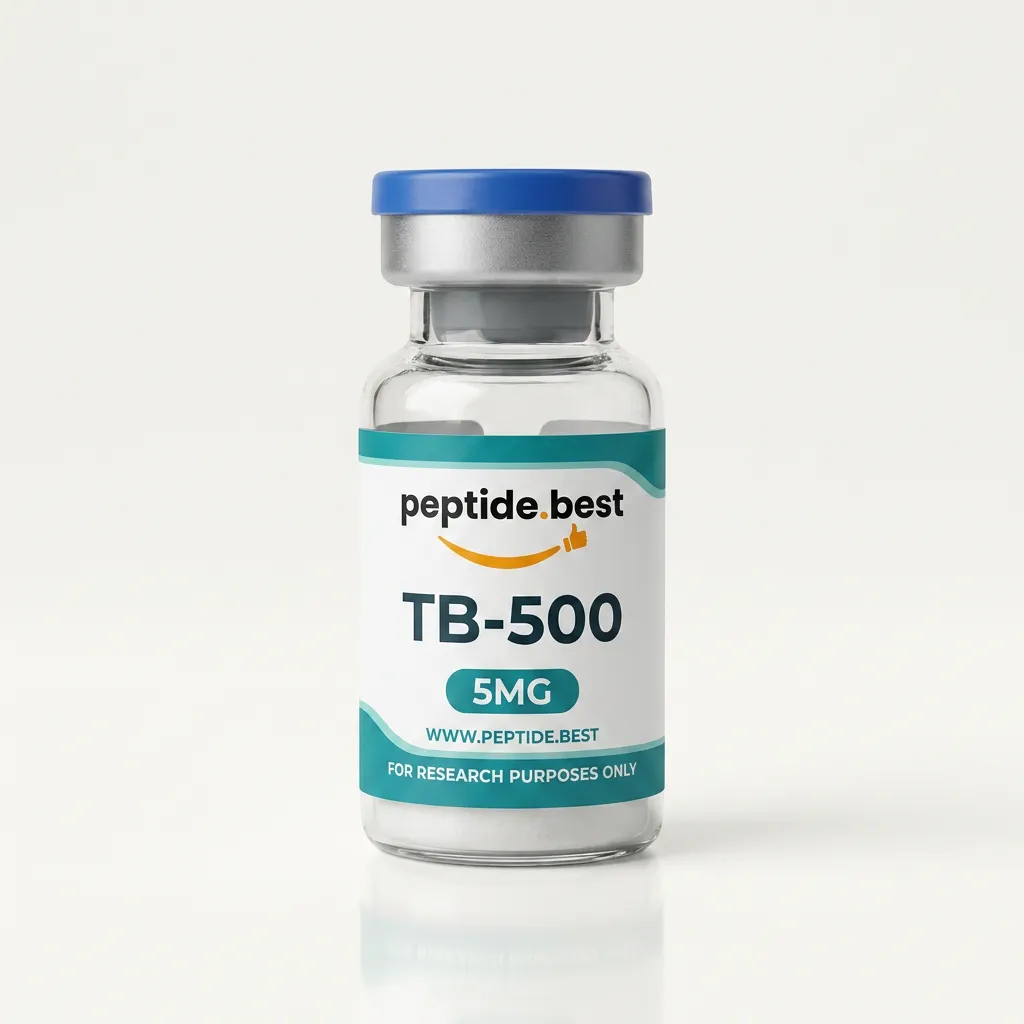
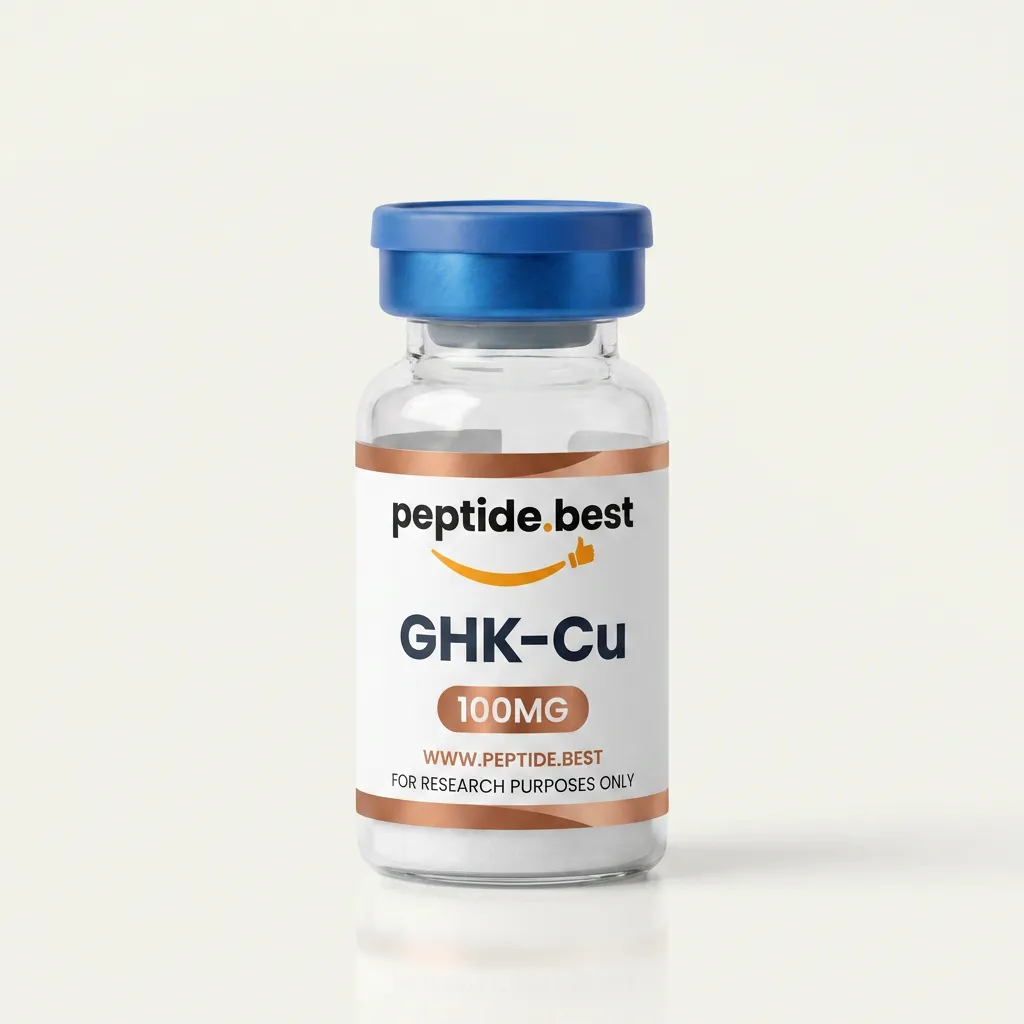
The most common research applications include soft-tissue healing (Achilles, rotator cuff, patellar tendon), gut barrier integrity, and post-operative recovery. Many users stack BPC-157 with TB-500 for synergistic systemic repair, or pair it with GHK-Cu for visible skin and connective-tissue improvements. Researchers studying joint health also frequently include BPC-157 in their protocols.
Pentadecapeptide derived from human gastric juice; accelerates angiogenesis, tendon repair, and gut mucosal healing. Read our complete research hub for the full literature review, or jump to our best peptides for recovery article for comparator molecules.
Because BPC-157 appears unusually stable in gastric juice — atypical for short peptides — both subcutaneous injection near the injury site and oral capsule research has been published. Lumen Labs sources from a GMP-licensed contract manufacturer and submits every batch to Janoshik Analytical for HPLC and mass-spec verification.
Every BPC-157 listing on Peptide.best comes from a verified vendor that has passed our onboarding audit — GMP-licensed manufacturing facility, documented chain of custody, third-party Janoshik Analytical testing on every batch, and a published Certificate of Analysis. Lumen Labs (the seller on this listing) currently maintains a 4.9-star average across all their products. Compare the five live offers on the right side of this page — Peptide.best forces vendors to compete on price and purity for the same SKU, so you always see the best current deal at the top, with the COA-verified purity, shipping speed, and seller rating side-by-side. Looking for alternatives in the same recovery space? TB-500 and the other peptides listed under our Recovery category are the most commonly compared alternatives.
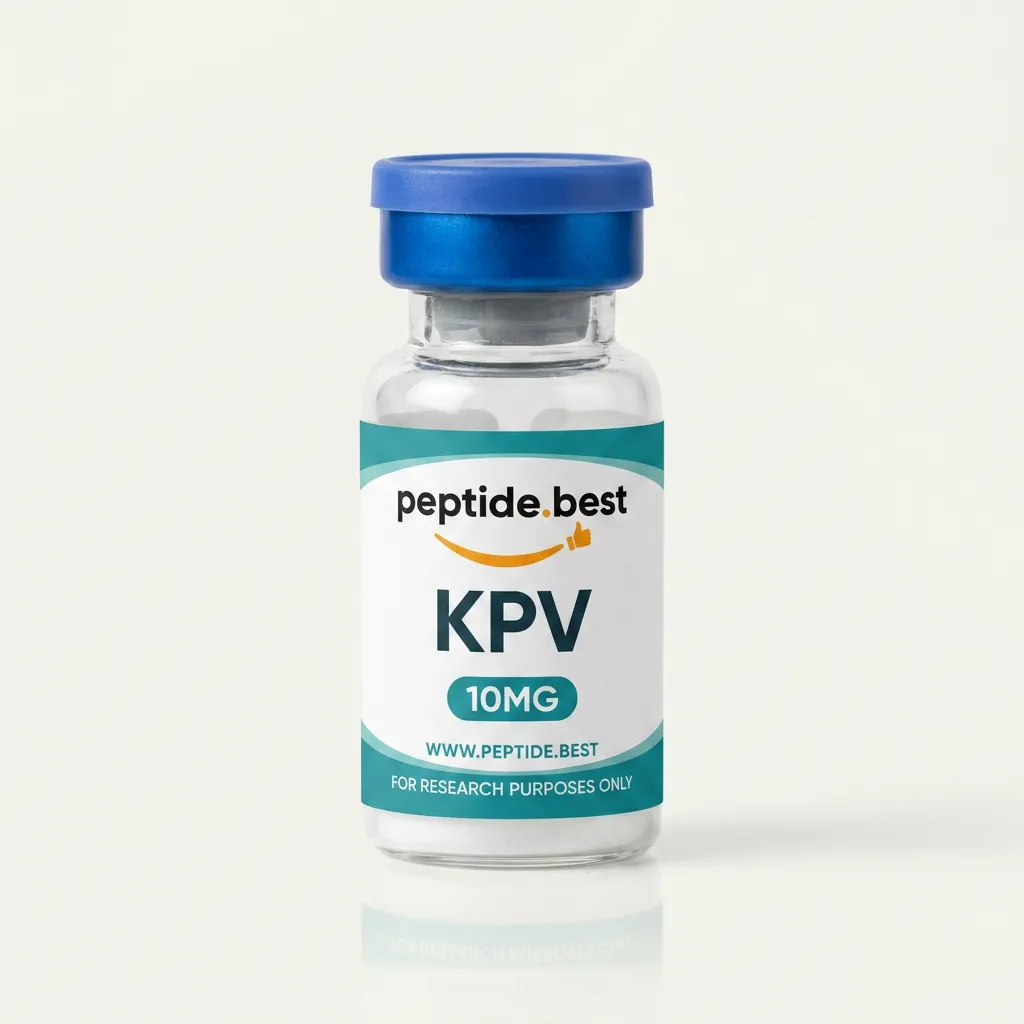
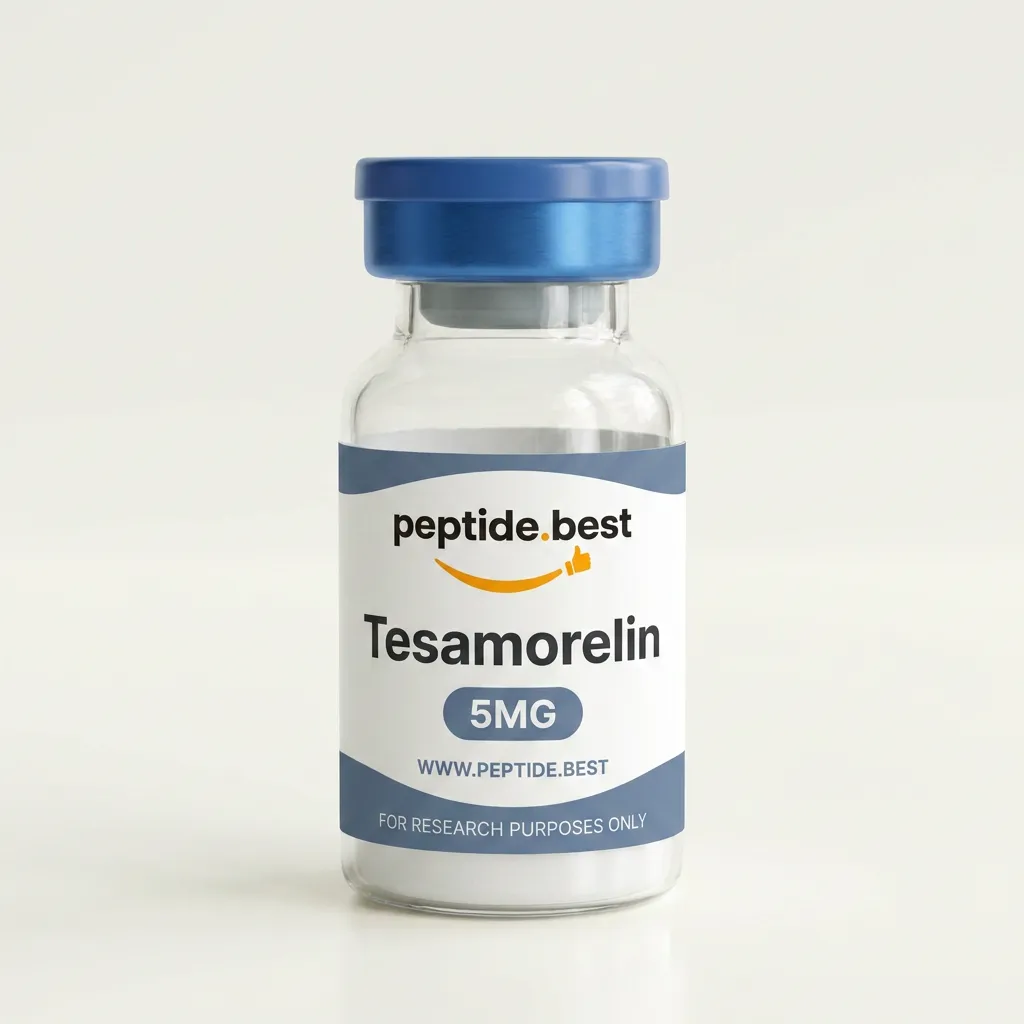
TB-500 · GHK-Cu · KPV · Tesamorelin. See the peptide stacks page for full protocol writeups.
BPC-157 has not been evaluated by the FDA for any indication. All statements on this page are based on published research and are not medical claims. Some products may be sold for research purposes only as marked. Consult a licensed healthcare provider before use. See our full disclaimer.
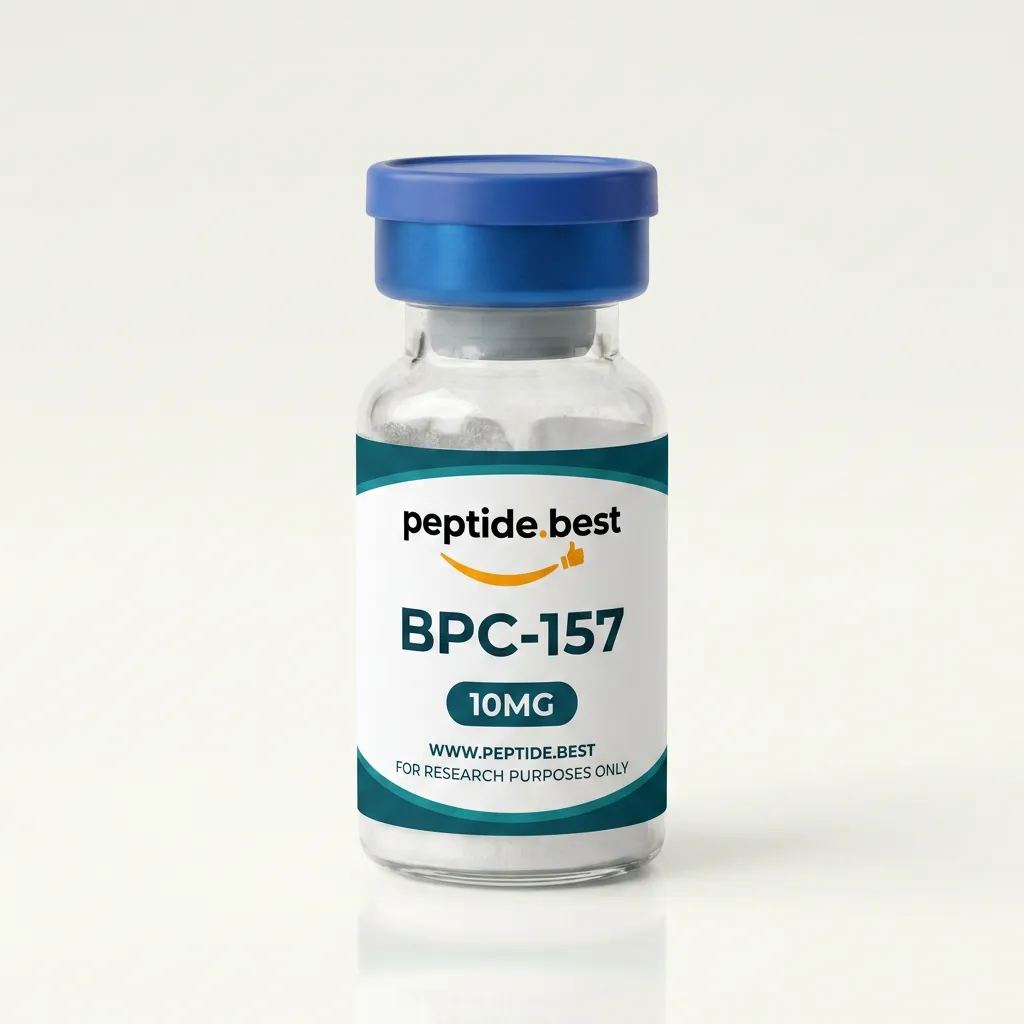
BPC-157 has been the subject of growing peer-reviewed and preclinical research across the recovery domain. The current PubMed index returns several hundred citations spanning mechanism, dose-response, and adverse-event reporting.
Key references commonly cited in BPC-157 research:
For a full reference list, see the Peptide.best Research Hub or the dedicated Recovery pillar article.
Typical research protocols range from 250–500 mcg subcutaneously, 1–2x per day, for 4–6 week cycles. Localized injection near the target tissue is the most common route. Oral protocols at 500 mcg/day for GI use are also published.
This product ships as lyophilized powder. Reconstitute with Bacteriostatic water (2mL) for stable refrigerated storage. Once reconstituted, use within 30 days; keep at 2–8°C.
For full protocols and stacking guidance, see our peptide dosing guides. Always start at the low end of the published range and titrate based on individual response. Half-life (~4 hours (subcut)) determines dosing frequency.
BPC-157 has an exceptionally clean side-effect profile in published animal work, with no LD50 reported at studied doses. Minor injection-site irritation has been documented anecdotally. Long-term human safety data is limited.
Do not use during pregnancy or lactation. Do not combine with other peptides without reviewing pharmacology. Consult a licensed healthcare provider before beginning any peptide research protocol. Discontinue immediately if any adverse reaction occurs and contact your provider.
Limited interaction data exists for most research peptides. Be especially cautious when combining with prescription medications affecting the same physiological pathway as BPC-157 (recovery pathway).
Every batch of BPC-157 sold on Peptide.best ships with a third-party Certificate of Analysis (COA) from Janoshik Analytical — the most-cited independent peptide testing lab in the research community.
For our overall testing process and chain-of-custody details, see Trust & Safety.
I've cycled BPC-157 from a few vendors over the past year, and Lumen Labs's is the cleanest reconstitution I've seen — no haze, no precipitate, exact mass on the COA. Used it primarily for recovery work. Will reorder.
Started seeing measurable recovery improvement by week 3 of my protocol. Followed the standard dosing in the Peptide.best dosing guide. Cold-chain shipping arrived properly cooled. COA was emailed within 10 minutes of order confirmation.
Quality is excellent — COA matched the claim and the lyophilized cake was tight and dry. Only knock is I'd prefer a smaller vial — the reconstituted product has a 30-day fridge life and I don't always finish before that.
Did a side-by-side using independent third-party HPLC across three different vendors. Lumen Labs's came in highest on actual peptide content and lowest on residual solvent. Worth the modest premium.
A: BPC-157 is sold on Peptide.best for research purposes where applicable. Legal status varies by jurisdiction. See our disclaimer for full details.
A: Timing depends on protocol, dose, and individual response. Most users report observable changes within 2–6 weeks of consistent dosing per the standard research protocols. See the Dosing & Protocol tab.
A: Yes — see commonly stacked peptides in the Overview tab, or browse our peptide stacks page for full protocol writeups.
A: Peptide.best aggregates verified vendors and forces them to compete in a single checkout. Vendors save on customer-acquisition cost; the savings pass to you. Every batch is still 3rd-party COA tested.
Lumen Labs is one of the six verified vendor partners on Peptide.best. They maintain a 4.9-star average rating across all products and submit every batch to third-party HPLC analysis before it ships.
All Lumen Labs products on Peptide.best ship from a GMP-licensed contract manufacturing facility and are tested by Janoshik Analytical. Cold-chain shipping is included on temperature-sensitive products.