Semaglutide 10mg Β· GLP-1 Receptor Agonist
The original blockbuster GLP-1. Studies show ~15% body-weight reduction over 68 weeks at therapeutic dose. Weekly subcutaneous protocol; titrate slowly to manage GI side effects. 99.4% HPLC-verified purity.
The 2026 GLP-1 era. Compare Semaglutide, Tirzepatide, and next-generation triple agonists from COA-verified vendors β plus supporting peptides for the metabolic stack.
The most-prescribed weight-loss molecule of 2026. 99.2% HPLC purity, lab-tested per batch. View product β
by Apex Research Β· β 4.9 (3,412 reviews)The original blockbuster GLP-1. Studies show ~15% body-weight reduction over 68 weeks at therapeutic dose. Weekly subcutaneous protocol; titrate slowly to manage GI side effects. 99.4% HPLC-verified purity.
Dual-agonist that hits both GLP-1 and GIP receptors. Trial data shows ~22% body-weight reduction over 72 weeks at high dose β the most aggressive marketed agonist before Retatrutide arrives at scale.
Next-generation triple-receptor agonist. Phase 2 data showed ~24% weight loss at 48 weeks. Adds glucagon receptor stimulation on top of Tirzepatide's dual mechanism for additional thermogenic effect.
FDA-approved (for HIV lipodystrophy) GHRH analog with documented visceral fat reduction in clinical trials. Often used off-label by buyers targeting central adiposity that resists GLP-1 alone. Excellent stack partner with Semaglutide.

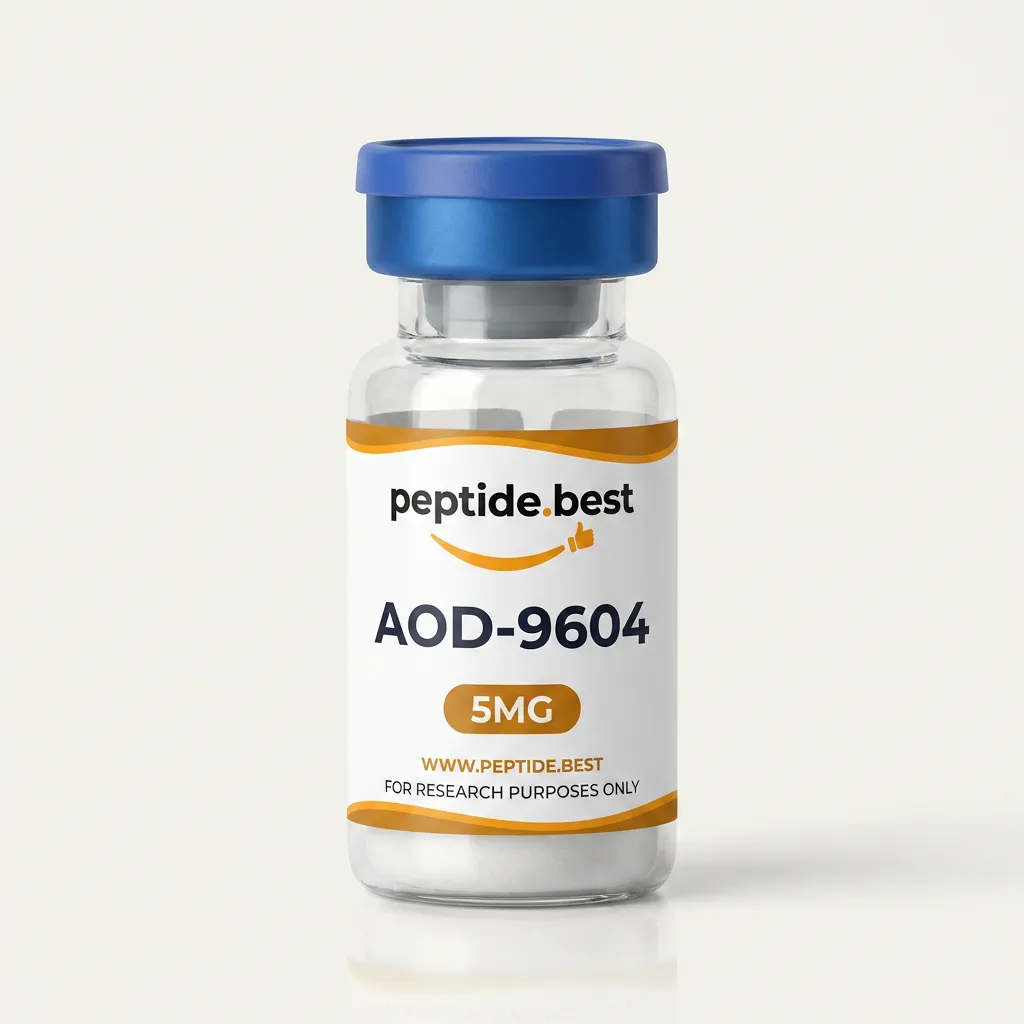
A 16-amino-acid fragment of human growth hormone that retains the lipolytic action without the IGF-1 spike. Used by buyers who want fat-burning without the appetite-suppressant mechanism of GLP-1s. Also studied for joint repair.
Small-molecule NNMT inhibitor with rodent data showing increased lipolysis and reduced adipocyte size. Oral capsule format β no injection required. A frequent stack partner with MOTS-c for mitochondrial-focused fat-loss protocols.
Mitochondrial-derived peptide implicated in metabolic homeostasis, insulin sensitivity, and exercise capacity. Lower-grade weight-loss tool on its own, but a strong supporting stack member with GLP-1s, especially for plateaued cutters.
The weight-loss peptide category has been completely rewritten by the GLP-1 boom. Three years ago, the bestsellers in this category were AOD-9604 and Tesamorelin β fat-burning fragments and GHRH analogs. Today, Semaglutide and Tirzepatide account for over 80% of weight-loss revenue on Peptide.best, with Retatrutide rapidly closing in. Understanding which class fits which buyer is the most important decision in this category.
Semaglutide remains the default starting point. It's a once-weekly subcutaneous injection that produces roughly 15% body-weight reduction over 68 weeks in clinical data. The mechanism is dual: delayed gastric emptying (you stay full longer) and hypothalamic appetite suppression (you crave less). Side effects are GI-dominant β nausea, constipation, occasional vomiting β and almost entirely titration-dependent. Start at 0.25 mg/week for four weeks before escalating.
Tirzepatide adds GIP receptor activity to GLP-1, and the result is roughly 22% weight loss at high dose β meaningfully more than Semaglutide. Retatrutide goes further by adding glucagon-receptor activity, driving thermogenesis on top of appetite suppression. Phase 2 trial data put Retatrutide at ~24% weight loss in 48 weeks, the strongest published number for any obesity drug to date. Cost scales with efficacy: expect to pay 50β100% more than Semaglutide for the same dosing window.
Not every buyer wants a GLP-1. Tesamorelin is FDA-approved for visceral fat reduction in HIV lipodystrophy and is the cleanest mechanism for buyers whose issue is central adiposity rather than overall body weight. AOD-9604 delivers GH-fragment lipolysis without IGF-1 elevation, useful when appetite suppression isn't desired. 5-Amino-1MQ is an oral NNMT inhibitor that complements injectable protocols. MOTS-c adds mitochondrial support and is increasingly stacked for plateaued GLP-1 users β same mechanism that makes it relevant to energy shoppers.
GLP-1 GI side effects (nausea, reflux, constipation) are universal β manage with slow titration. Less common but more serious: pancreatitis, gallbladder issues, severe gastroparesis. Avoid with a personal or family history of medullary thyroid carcinoma or MEN2. Tesamorelin and AOD-9604 are largely well-tolerated in the studied dose range. All products on Peptide.best are sold for research or wellness purposes and have not been FDA-approved for off-label weight-loss use. Consult a licensed healthcare provider before starting.
| Buyer profile | Start with | Why |
|---|---|---|
| First-time GLP-1 user | Semaglutide | Best-studied, lowest cost-per-mg |
| Need stronger effect than Sema | Tirzepatide | Dual GLP-1/GIP, ~22% weight loss |
| Maximum efficacy | Retatrutide | Triple agonist, ~24% weight loss |
| Visceral fat specifically | Tesamorelin | Targeted visceral fat reduction |
| Don't want appetite suppression | AOD-9604 | Lipolysis without GLP-1 mechanism |
| Avoid injection | 5-Amino-1MQ | Oral NNMT inhibitor |
Want the full deep-dive? Read our complete guide to peptides for weight loss with dosing schedules, side-effect management, and stacking protocols.
If you're new to GLP-1s and price-sensitive, start with Semaglutide. If you've already plateaued on Semaglutide or want the strongest available result and can absorb the higher cost, Tirzepatide is the upgrade. The mechanisms overlap, so don't run both at once.
Almost all GLP-1 GI issues are titration-related. Start at the lowest recommended dose and hold each step for at least four weeks before escalating. Anti-nausea protocols (small frequent meals, low-fat, ginger) and adequate hydration meaningfully reduce symptoms.
Published trial data shows partial regain after discontinuation. Successful long-term users either stay on a maintenance dose, transition to a non-GLP-1 protocol (like Tesamorelin + lifestyle), or use a slow-taper exit. Weight maintenance is a separate problem from weight loss.
Yes. Common stacks include GLP-1 + Tesamorelin (visceral fat), GLP-1 + MOTS-c (metabolic plateau), and GLP-1 + BPC-157 (to manage GI side effects). Do not stack two GLP-1 agonists simultaneously.